
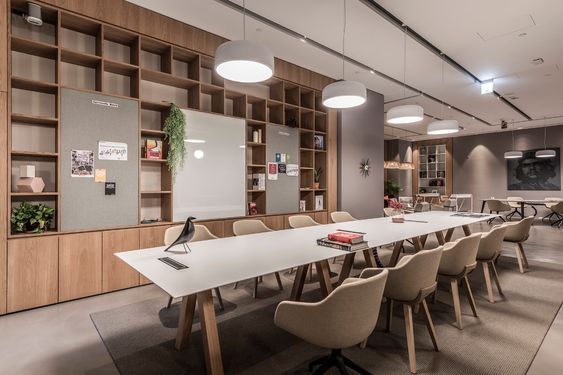

Opening or renovating a restaurant involves more than creating an attractive interior. Every detail—from seating layout to table dimensions—directly influences the dining experience. This is why many hospitality owners now prioritize restaurant furniture custom solutions instead of relying on standard, mass-produced pieces.
A restaurant is a high-traffic environment where furniture must support both aesthetics and operational efficiency. Chairs are moved frequently, tables must accommodate different group sizes, and seating layouts need to maximize space without sacrificing comfort. If furniture is poorly designed or mismatched with the restaurant concept, it can disrupt workflow, reduce seating efficiency, and negatively affect the overall guest experience.
Custom restaurant furniture offers a strategic advantage because it allows owners and designers to tailor every element according to the restaurant’s concept, spatial limitations, and service style. Whether the goal is to create a cozy café atmosphere, a fine dining environment, or a vibrant casual restaurant, furniture plays a central role in shaping the mood and functionality of the space.
Another important factor is brand identity. In the competitive hospitality industry, restaurants must stand out not only through food but also through ambiance. Carefully designed restaurant furniture custom pieces can reinforce the restaurant’s theme, support interior design cohesion, and create memorable dining environments that guests want to revisit.
For restaurateurs planning a new project or redesigning an existing space, understanding the principles behind custom restaurant furniture is essential. From layout optimization to material selection, each decision contributes to creating a dining space that is both functional and visually appealing.
Understanding Space Planning in Restaurant Furniture Custom Design
One of the most critical aspects of restaurant furniture custom design is space planning. Restaurants must balance seating capacity with comfort, ensuring guests feel relaxed while operators maximize available floor area.
Standard furniture dimensions often do not work well for unique restaurant layouts. Columns, narrow walkways, bar counters, and kitchen access points all influence how furniture should be positioned. Custom furniture allows designers to create pieces that fit these spatial constraints without compromising aesthetics.
Effective space planning begins by understanding the restaurant’s operational flow. Staff must move efficiently between the kitchen, service stations, and dining tables. If furniture placement blocks these pathways, it can slow service and create congestion during busy hours.
Custom tables and seating arrangements can help solve these challenges. For example, modular table designs allow restaurants to combine or separate seating areas depending on group size. Built-in bench seating can maximize wall space, providing additional seats while maintaining clear walkways.
Another advantage of restaurant furniture custom planning is the ability to adapt furniture dimensions to different dining experiences. Fine dining restaurants often require larger tables for comfort and presentation, while casual dining environments may prioritize compact layouts that support faster table turnover.
Lighting, décor elements, and furniture arrangement also work together to shape the atmosphere. Custom furniture design ensures that tables, chairs, and bar stools align with the overall interior concept rather than appearing as disconnected pieces.
By carefully planning furniture placement and dimensions, restaurants can create dining spaces that feel spacious, organized, and comfortable—even in limited floor areas.
Choosing Durable Materials for Restaurant Furniture Custom
Durability is one of the most important considerations when designing restaurant furniture custom pieces. Unlike residential furniture, restaurant furniture must withstand constant daily use, frequent cleaning, and repeated movement.
Material selection directly affects how long furniture will maintain its appearance and structural integrity. Restaurants that choose materials solely based on aesthetics may find themselves replacing furniture sooner than expected.
Solid wood remains a popular material in custom restaurant furniture due to its strength and natural appearance. When properly treated and finished, hardwood furniture can endure heavy usage while maintaining its visual character. Wood surfaces also adapt well to various restaurant concepts, from rustic dining rooms to modern interiors.
Metal components are commonly used in frames and structural reinforcements. Metal legs or frames can provide additional strength, preventing chairs and tables from loosening over time. Protective coatings are often applied to metal parts to prevent corrosion and maintain durability.
Upholstery materials are another key factor in restaurant furniture custom design. Dining chairs and lounge seating must provide comfort while resisting stains, spills, and repeated cleaning. Hospitality-grade fabrics or synthetic leather options are often selected because they are easier to maintain and more resistant to wear.
Surface finishing also plays a role in protecting furniture materials. Protective coatings help resist moisture, scratches, and cleaning chemicals commonly used in restaurant maintenance routines.
By prioritizing durable materials, restaurant owners can ensure that their custom furniture continues to perform well even under demanding operational conditions.
Balancing Comfort and Functionality in Restaurant Furniture Custom
While durability is essential, comfort remains equally important when designing restaurant furniture custom pieces. Guests who feel comfortable are more likely to enjoy their dining experience and spend more time in the restaurant.
Chair ergonomics are a key consideration. Seat height, backrest angle, and cushioning all influence how comfortable guests feel during a meal. Poorly designed seating can cause discomfort, which may negatively affect the overall perception of the restaurant.
Custom furniture allows designers to fine-tune these ergonomic elements. Seat depth can be adjusted for optimal posture, while cushioning density can be selected to provide comfort without losing shape over time.
Table height is another factor that affects dining comfort. The relationship between chair height and table height must be carefully calculated to ensure guests can dine comfortably. Inconsistent dimensions may create awkward seating positions that reduce guest satisfaction.
Another advantage of restaurant furniture custom design is the ability to create specialized seating areas. For example, bar seating, lounge areas, private dining spaces, and outdoor terraces may all require different furniture styles.
Acoustic considerations can also be addressed through furniture design. Upholstered seating and strategic layout arrangements can help reduce noise levels in busy restaurants, creating a more pleasant dining environment.
By combining ergonomic design with functional layout planning, custom restaurant furniture helps create dining spaces that feel welcoming and comfortable for guests.
Supporting Restaurant Branding Through Custom Furniture Design
Furniture is not only functional—it is also a powerful design element that communicates a restaurant’s brand identity. Carefully crafted restaurant furniture custom pieces can reinforce the restaurant’s concept and create a consistent visual language throughout the space.
Each restaurant concept tells a story. A minimalist café may focus on clean lines and simple materials, while a luxury dining venue might emphasize refined textures and elegant forms. Custom furniture allows designers to translate these concepts into tangible elements within the dining space.
Color selection is one aspect of branding. Custom furniture finishes can align with the restaurant’s color palette, helping create visual harmony with walls, lighting, and decorative features.
Material combinations also contribute to the restaurant’s identity. Wood, metal, stone, and upholstery can be combined in ways that reflect the atmosphere the restaurant wants to create. For example, warm wooden furniture may evoke a relaxed environment, while sleek metal and glass elements may convey a modern dining experience.
Another advantage of restaurant furniture custom design is the ability to create signature pieces. Unique furniture elements such as statement dining tables or distinctive bar stools can become memorable visual highlights within the restaurant.
When furniture design aligns with the overall interior concept, the restaurant environment becomes more cohesive and immersive. Guests often remember these details, which contributes to stronger brand recognition.
Working with Experienced Manufacturers for Restaurant Furniture Custom
Creating high-quality restaurant furniture custom pieces requires collaboration between restaurant owners, interior designers, and experienced manufacturers. Skilled manufacturers understand how to translate design concepts into durable and functional furniture solutions.
Custom furniture production involves several stages, including design consultation, material selection, prototype development, and final manufacturing. Each step requires careful attention to detail to ensure the final product meets both aesthetic and functional expectations.
Manufacturers who specialize in hospitality furniture are familiar with the operational demands of restaurant environments. They understand how to reinforce structural elements, apply protective finishes, and select materials that support long-term use.
Another advantage of working with professional manufacturers is production consistency. Restaurants often require multiple identical furniture pieces to maintain a cohesive interior design. Reliable manufacturing ensures that each chair, table, or bar stool maintains the same quality and appearance.
Companies such as Workit Furniture focus on providing custom furniture solutions for hospitality environments, supporting restaurants in developing functional and visually consistent dining spaces.
By collaborating with experienced manufacturers, restaurant owners can transform design ideas into furniture that supports both operational efficiency and aesthetic appeal.
Conclusion: Creating Successful Dining Spaces with Restaurant Furniture Custom
A well-designed restaurant environment depends on more than interior decoration. Furniture plays a critical role in shaping how guests experience the space, how efficiently staff operate, and how effectively the restaurant communicates its brand identity.
Investing in restaurant furniture custom solutions allows restaurant owners to create dining environments that are tailored to their concept, layout, and operational needs. Custom furniture ensures that seating arrangements, materials, and ergonomics align with both guest comfort and practical functionality.
From thoughtful space planning and durable material selection to ergonomic seating and cohesive branding, each aspect of custom furniture design contributes to a more effective dining environment.
Restaurants that prioritize quality furniture design are better positioned to deliver memorable guest experiences while maintaining efficient operations. Over time, carefully crafted restaurant furniture custom pieces become an integral part of the restaurant’s identity and long-term success.
For restaurant owners planning new projects or renovations, exploring custom furniture solutions can be an important step toward creating dining spaces that are both functional and visually distinctive.