
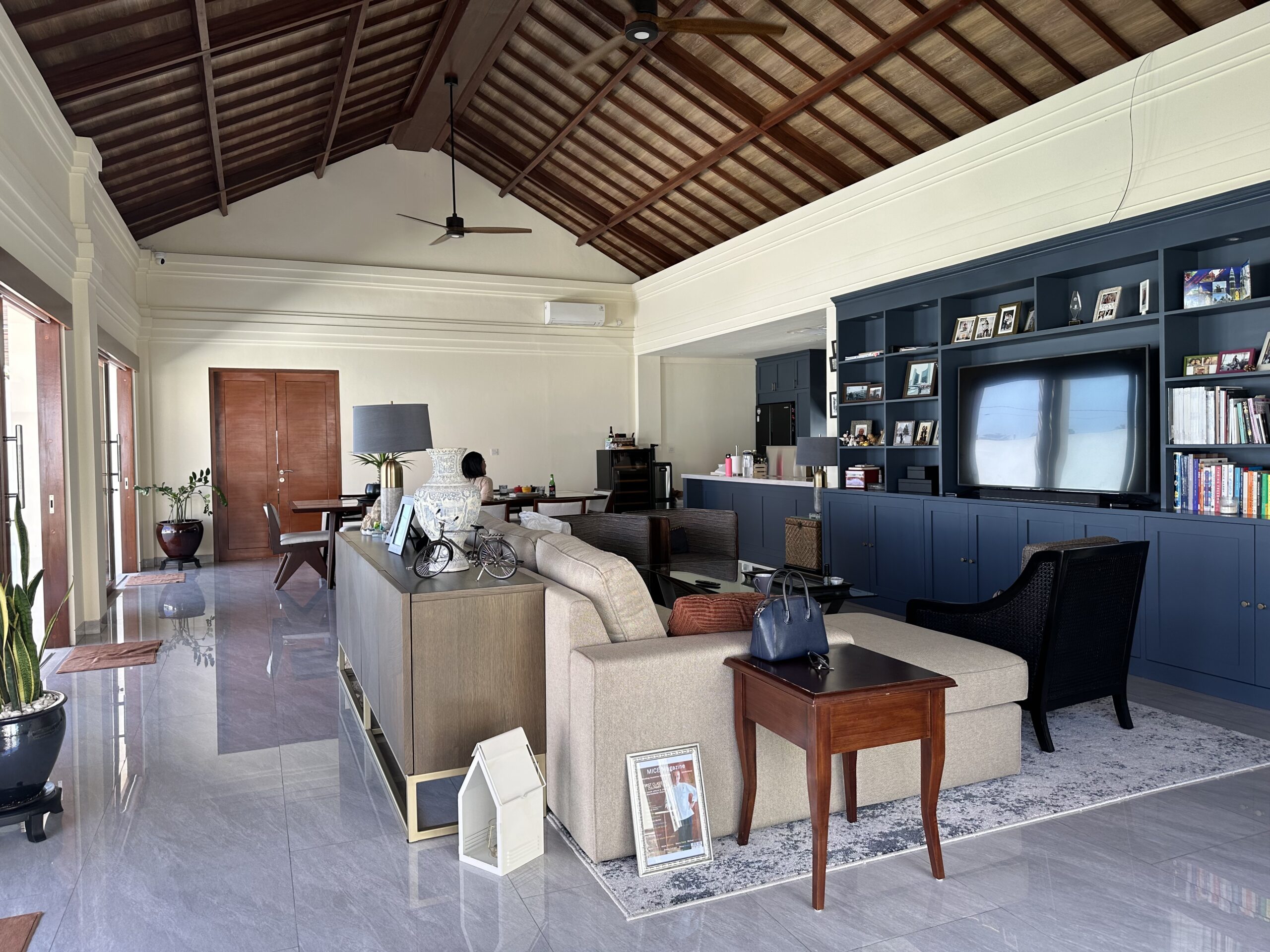

Designing a successful resort in Bali requires careful planning—not only in architecture and landscape but also in furniture selection. One of the most critical factors hospitality developers must consider is choosing resort furniture Bali that can withstand the island’s tropical climate. While aesthetic appeal is important, durability often determines whether resort furniture remains functional and visually attractive over the long term.
Bali’s climate presents several environmental challenges for furniture materials. High humidity levels, strong sunlight, heavy rainfall during certain seasons, and coastal salt air can all accelerate material deterioration. Furniture that appears elegant during installation may quickly show signs of wear if it is not specifically designed for these conditions.
Resort environments also involve high daily usage. Guests move between lounges, pool areas, restaurants, and private villas throughout the day, meaning furniture experiences frequent handling. Chairs, tables, daybeds, and lounge furniture must therefore be structurally strong while maintaining comfort and style.
For resort owners and hospitality developers, selecting appropriate materials is not only about design but also long-term operational efficiency. Durable furniture reduces maintenance costs, prevents premature replacement, and ensures that the property continues to provide a high-quality guest experience.
Understanding which materials perform best in tropical environments is essential when planning resort furniture Bali projects. With the right material selection and manufacturing quality, resort interiors and outdoor spaces can maintain their elegance while remaining resilient against Bali’s demanding climate conditions.
Understanding the Tropical Challenges for Resort Furniture Bali
Before selecting materials, it is important to understand the environmental conditions that influence the durability of resort furniture Bali. Bali’s tropical setting creates a unique combination of heat, humidity, and natural exposure that affects both indoor and outdoor furniture.
Humidity is one of the most significant factors. Constant moisture in the air can cause certain materials—especially untreated wood or low-quality metals—to expand, warp, or develop mold over time. Even indoor furniture may be affected if buildings have open layouts that allow natural airflow from the outdoors.
Sun exposure is another major consideration. Many resorts in Bali feature open terraces, poolside lounges, beachfront dining areas, and outdoor relaxation spaces. These areas receive strong sunlight for extended periods, which can fade fabrics, dry out wood surfaces, and weaken certain materials.
Rainfall also plays a role. Tropical rainstorms can occur suddenly and intensely, especially during monsoon seasons. Furniture placed in semi-open areas must be capable of resisting moisture without absorbing water or losing structural integrity.
For coastal resorts, salt air introduces additional challenges. Salt particles carried by ocean winds can accelerate corrosion in metal components and degrade protective finishes.
Because of these conditions, resort furniture Bali must be specifically designed for environmental resilience. This often involves selecting appropriate materials, applying protective finishes, and using construction techniques that improve longevity. Resorts that carefully consider these factors during the design stage are better positioned to maintain both beauty and functionality in their furniture over time.
Solid Wood Materials for Resort Furniture Bali
Wood remains one of the most widely used materials in resort furniture Bali, particularly because it complements the natural aesthetic associated with tropical hospitality design. Many resorts aim to create warm, organic environments that blend seamlessly with surrounding landscapes, making wood an ideal material choice.
However, not all wood types perform equally in tropical climates. Properly selected hardwood species are typically more resistant to humidity, insects, and structural changes than softer woods. Hardwood materials also tend to have greater density, which improves long-term durability.
Another critical factor is wood preparation. Wood used in resort furniture must undergo proper kiln drying to reduce internal moisture content before production. Without this process, furniture may warp or crack as the material reacts to environmental humidity.
Protective finishing is equally important. Specialized coatings help protect wooden furniture from moisture penetration while preserving the natural appearance of the grain. Finishing treatments can also provide additional resistance to UV exposure, which is particularly useful for outdoor furniture pieces.
Many resort interiors feature wooden furniture in guest rooms, restaurants, lobbies, and lounge areas. In these spaces, wood contributes warmth and authenticity to the overall design atmosphere. When carefully treated and maintained, wood can remain structurally strong and visually appealing for many years.
For outdoor areas such as terraces or poolside lounges, wood furniture is often combined with weather-resistant cushions and protective finishes. These design strategies allow resort furniture Bali to maintain its elegance while adapting to the island’s environmental conditions.
Metal Components and Structural Strength in Resort Furniture Bali
While wood contributes warmth and aesthetic character, metal components play an important structural role in many resort furniture Bali designs. Metal frames and reinforcements can significantly improve the durability and stability of furniture used in high-traffic hospitality environments.
Resorts often require furniture that supports frequent daily use by guests. Dining chairs, lounge seating, bar stools, and outdoor tables must remain stable even with constant movement and repositioning. Metal frames provide the strength needed to support these demands.
However, metal materials must be carefully selected and treated when used in tropical environments. Exposure to humidity and salt air can accelerate corrosion if metals are not properly protected.
To prevent rust and deterioration, manufacturers typically apply protective coatings such as powder coating or specialized anti-corrosion treatments. These finishes create a protective barrier that shields the metal surface from moisture and environmental exposure.
In addition to durability, metal frames can also improve furniture longevity by maintaining structural alignment. Over time, furniture made solely from wood may loosen due to repeated movement. Reinforced metal elements help maintain rigidity and support the overall design structure.
Metal components are often hidden within furniture frames or combined with wooden surfaces to maintain aesthetic harmony. This approach allows resort furniture Bali to achieve both visual elegance and structural reliability.
When properly engineered and treated, metal components can significantly extend the lifespan of hospitality furniture while ensuring that it remains safe and comfortable for daily use.
Upholstery and Fabric Choices for Resort Furniture Bali
Comfort is essential in resort environments, and upholstered furniture plays a major role in shaping the guest experience. Sofas, lounge chairs, cushions, and daybeds all rely on fabric materials that must balance comfort with durability.
For resort furniture Bali, selecting appropriate upholstery fabrics is particularly important because of the island’s humidity and sunlight exposure. Standard residential fabrics may deteriorate quickly under these conditions, making specialized hospitality-grade textiles a better choice.
High-quality upholstery materials are typically designed to resist fading, moisture absorption, and mold growth. These fabrics maintain their color and structural integrity even when exposed to sunlight and high humidity levels.
Another important consideration is maintenance. Resort furniture must be easy to clean because guest usage can lead to spills, stains, and daily wear. Durable fabrics that support regular cleaning help maintain a professional and hygienic environment.
Outdoor furniture requires even greater material resilience. Cushions and upholstery used in poolside lounges or garden seating areas must withstand rain, direct sunlight, and frequent handling. Water-resistant fabric technologies and quick-drying foam materials are often used to address these challenges.
By carefully selecting upholstery materials, resorts can maintain both comfort and durability across all guest areas. Proper fabric choices ensure that resort furniture Bali continues to provide a relaxing and visually appealing environment for visitors.
Working with Experienced Manufacturers for Resort Furniture Bali
Selecting the right materials is only part of the process. High-quality resort furniture Bali also depends on skilled craftsmanship and professional manufacturing practices. Hospitality furniture production requires specialized expertise to ensure that materials are properly processed and assembled.
Experienced manufacturers understand the technical requirements of furniture designed for tropical environments. They can recommend suitable materials, construction techniques, and finishing processes that improve durability and performance.
Quality control is another essential factor. During furniture production, each stage—from material preparation to final assembly—must be carefully monitored. Consistent inspection helps ensure that every piece meets structural and aesthetic standards before delivery.
Large resort developments often involve substantial furniture orders that must be completed within strict construction timelines. Reliable manufacturing partners help coordinate production schedules so that furniture installation aligns with project deadlines.
Manufacturers who specialize in hospitality furniture also understand the importance of design flexibility. Resorts often require custom furniture pieces tailored to specific interior concepts or architectural layouts.
Companies such as Workit Furniture focus on producing furniture solutions for hospitality environments, combining design flexibility with production expertise. By working with experienced partners, resort developers can ensure that furniture materials, craftsmanship, and durability align with the long-term needs of their properties.
Conclusion: Building Long-Lasting Resort Furniture Bali for Tropical Environments
The success of a resort interior depends on more than visual design. Furniture must also perform reliably under challenging environmental conditions. Selecting the right materials is therefore essential when planning resort furniture Bali for tropical hospitality projects.
From carefully prepared hardwoods and corrosion-resistant metal structures to durable upholstery fabrics, each material contributes to the overall longevity and functionality of resort furniture. Thoughtful material selection helps protect furniture from humidity, sunlight exposure, rainfall, and heavy guest usage.
Equally important is working with experienced manufacturers who understand the technical demands of tropical furniture production. Professional craftsmanship and quality control ensure that furniture pieces maintain both structural strength and visual appeal over time.
For resort developers and hospitality designers, investing in durable materials and reliable manufacturing partnerships creates interiors that remain elegant and functional for years to come. Well-designed resort furniture Bali ultimately enhances guest comfort while supporting the long-term sustainability of luxury resort environments.