
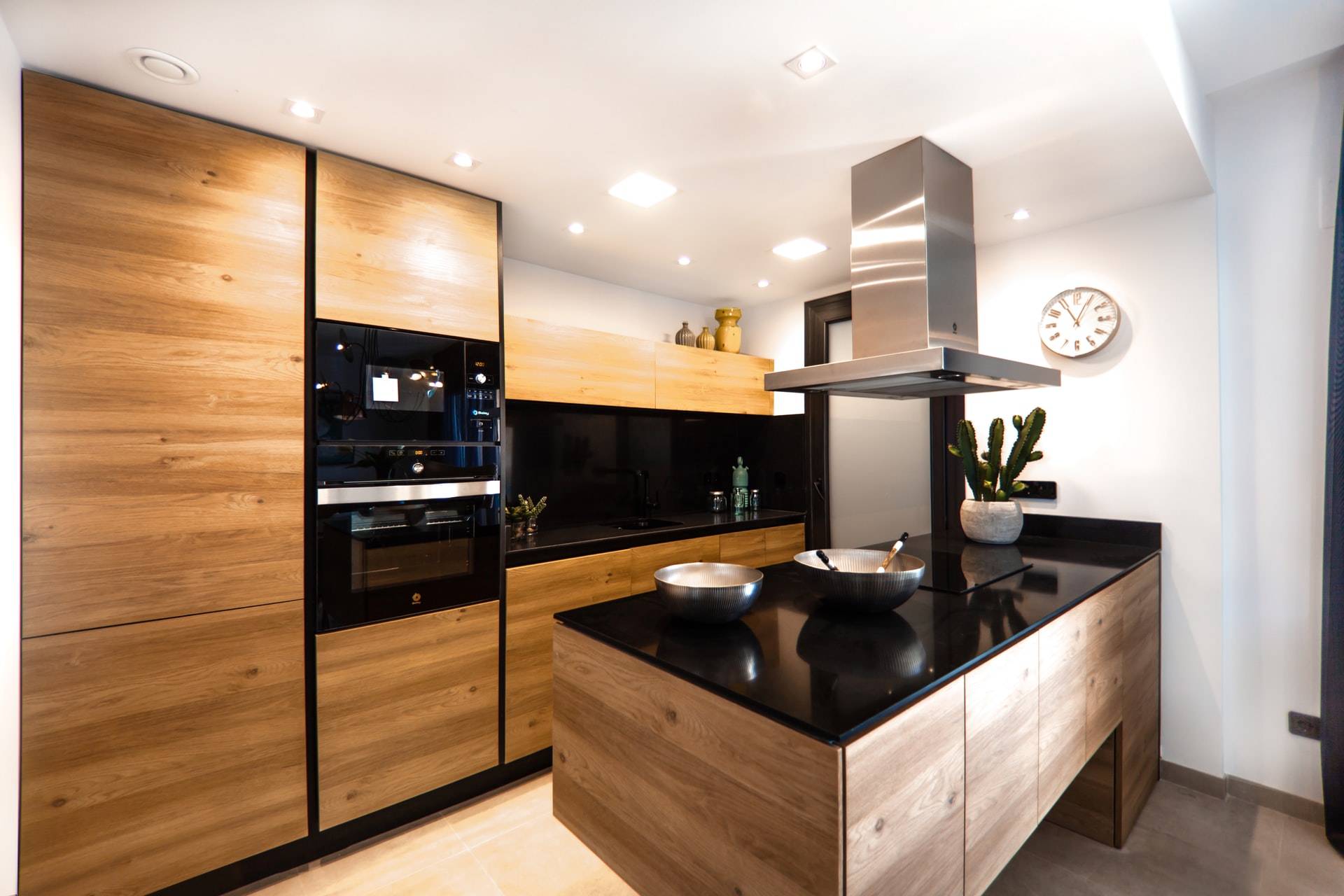

Designing a kitchen in Bali often presents a unique challenge for homeowners and property developers. Many kitchens must serve multiple purposes—cooking, dining, and socializing—while also blending with the relaxed architectural style commonly found in Balinese homes and villas. At the same time, tropical humidity, limited space, and modern lifestyle needs require thoughtful planning to ensure the kitchen remains practical and durable.
This is where Balinese kitchen sets become an important part of home design. Rather than assembling separate furniture pieces, a well-designed kitchen set integrates cabinets, countertops, storage, and workspace into a cohesive system. The result is a kitchen that not only looks harmonious but also supports efficient daily use.
Well-planned Balinese kitchen sets combine natural materials, functional layouts, and modern design solutions that suit both traditional homes and contemporary villas. By understanding how to select the right materials, organize space effectively, and maintain a balanced aesthetic, homeowners can create kitchens that feel welcoming while remaining highly functional. This guide explores the key elements involved in planning a kitchen set that works beautifully in Bali’s unique environment.
Understanding the Concept of Balinese Kitchen Sets in Modern Homes
A kitchen set is more than a collection of cabinets and appliances. In modern home design, Balinese kitchen sets are planned as integrated systems that connect storage, work surfaces, and cooking areas into one unified layout. This approach helps maximize efficiency while maintaining a cohesive visual style throughout the kitchen.
In Bali, kitchens often reflect the island’s architectural philosophy, which emphasizes harmony with nature and open living spaces. Many homes feature semi-open layouts that allow natural light and airflow to circulate freely. As a result, kitchen sets must be designed with materials and structures that perform well in tropical environments.
Another defining characteristic of Balinese kitchen sets is the balance between aesthetics and practicality. Kitchens are not only places for preparing food; they also function as gathering spaces where families and guests interact. This means the design must support both functionality and visual comfort.
Modern kitchen sets typically include base cabinets, wall-mounted cabinets, countertops, and storage units integrated into a consistent design system. Each element is carefully positioned to support efficient cooking workflows while maintaining a clean and organized appearance.
Customization is also common in Bali because homes vary widely in layout and architectural style. Instead of relying solely on standardized furniture dimensions, many homeowners choose kitchen sets designed specifically for their space. This approach ensures that cabinets fit perfectly within the room while making full use of available storage areas.
By understanding the structure and purpose of Balinese kitchen sets, homeowners can approach kitchen planning with greater clarity and confidence.
Choosing the Right Materials for Balinese Kitchen Sets
Material selection is one of the most important factors when designing durable Balinese kitchen sets. Because Bali’s climate is warm and humid throughout the year, kitchen furniture must be built with materials that resist moisture and remain stable over time.
Solid wood is one of the most commonly used materials in Balinese interiors. Woods such as teak are valued for their strength and natural resistance to humidity and insects. When properly finished, teak cabinets can maintain their appearance for many years while adding warmth and texture to the kitchen environment.
Plywood is another widely used material in kitchen construction. High-quality plywood offers structural stability and can withstand changes in temperature and humidity better than many other engineered materials. When paired with protective laminates or veneers, plywood cabinets can achieve both durability and an attractive finish.
Engineered materials such as MDF are often used for decorative cabinet doors or painted surfaces. MDF allows for smooth finishes and precise detailing, which is useful for modern kitchen designs. However, it should be sealed carefully to prevent moisture absorption.
Countertops also play an important role in Balinese kitchen sets. Natural stone surfaces such as granite or quartz are commonly selected because they provide excellent durability against heat, stains, and daily kitchen activities.
Hardware components must also be chosen carefully. Stainless steel hinges and drawer systems are preferred because they resist corrosion in humid environments. High-quality hardware ensures that cabinets open smoothly and remain functional even with frequent use.
By selecting the right combination of materials, homeowners can create kitchen sets that balance durability, beauty, and practicality in Bali’s tropical climate.
Designing Efficient Layouts for Balinese Kitchen Sets
Even the most beautiful kitchen materials will not perform well if the layout is poorly planned. Efficient space organization is a key aspect of designing Balinese kitchen sets that support daily activities while maintaining a comfortable atmosphere.
One widely recognized design principle is the kitchen work triangle. This concept places the stove, sink, and refrigerator in a triangular arrangement, allowing easy movement between these essential areas. When cabinets and countertops are arranged around this triangle, the cooking process becomes more efficient.
Different kitchen layouts can support this principle in various ways. Linear kitchens, where cabinets run along a single wall, are common in compact homes and apartments. This layout maximizes space efficiency while keeping the room visually open.
L-shaped kitchens are another popular configuration for Balinese kitchen sets. Cabinets placed along two adjacent walls provide more countertop space and storage capacity while maintaining a comfortable workflow. This layout also leaves room for additional elements such as a small dining table.
In larger homes or villas, kitchen islands are often incorporated into the design. An island can serve as a preparation area, dining space, or additional storage zone. Cabinets built into the island provide convenient storage for utensils and cookware while creating a focal point within the kitchen.
Open shelving may also be integrated to create a lighter visual atmosphere. Instead of covering every wall with cabinets, combining open shelves with closed storage units helps maintain balance between practicality and aesthetics.
Thoughtful layout planning ensures that Balinese kitchen sets remain functional while contributing to the overall comfort of the home.
Blending Traditional Balinese Elements with Modern Kitchen Design
One of the most appealing aspects of Balinese kitchen sets is the ability to blend traditional design influences with modern functionality. This combination creates kitchens that feel authentic to the local environment while meeting contemporary lifestyle needs.
Traditional Balinese interiors often emphasize natural materials and organic textures. Wooden cabinetry with visible grain patterns helps maintain a connection to nature, which is a central concept in Balinese architectural philosophy.
Earth-toned color palettes are also commonly used. Warm browns, soft beiges, and natural stone textures create a calm and welcoming atmosphere. These colors complement tropical surroundings while enhancing the sense of warmth within the kitchen.
Modern design elements can be integrated to improve functionality. Minimalist cabinet handles, concealed storage compartments, and clean-lined cabinetry contribute to a sleek and organized appearance. These features allow kitchens to remain visually simple while still offering practical storage solutions.
Lighting also plays a key role in design harmony. Under-cabinet lighting improves visibility during food preparation while adding subtle ambient illumination. Pendant lights above kitchen islands or dining counters can create visual highlights within open-plan spaces.
Professional kitchen planning services—such as those offered through Workit Furniture—focus on combining functional cabinet systems with design elements that complement the architectural character of Balinese homes.
Through thoughtful design choices, Balinese kitchen sets can maintain cultural authenticity while supporting modern cooking habits.
Maintaining Balinese Kitchen Sets for Long-Term Use
After installation, proper maintenance helps ensure that Balinese kitchen sets remain functional and visually appealing for many years. Kitchens are high-activity spaces where surfaces are frequently exposed to heat, moisture, and cooking residue, so routine care is essential.
Ventilation is one of the most important factors in preserving kitchen cabinets. Cooking naturally produces steam and humidity, which can accumulate around cabinets if airflow is limited. Installing range hoods or maintaining good natural ventilation helps reduce moisture buildup.
Regular cleaning also protects cabinet surfaces. Mild cleaning solutions and soft cloths are typically sufficient for removing grease and food splashes. Harsh chemicals should be avoided because they may damage protective finishes or discolor natural materials.
Cabinet hardware should be inspected occasionally to ensure smooth operation. Hinges, drawer slides, and handles may loosen with daily use, so periodic adjustments can prevent long-term wear.
Wooden cabinets may also benefit from occasional refinishing. Protective coatings help maintain the wood’s natural appearance while providing additional protection against humidity and stains.
With consistent maintenance, homeowners can ensure that their Balinese kitchen sets continue to perform well while maintaining their aesthetic appeal.
Creating Kitchens That Reflect Lifestyle and Comfort
A well-designed kitchen contributes significantly to the overall atmosphere of a home. In Bali, where indoor and outdoor living often blend seamlessly, kitchens frequently become central gathering spaces for family members and guests.
Planning effective Balinese kitchen sets involves balancing functionality, durability, and design harmony. By selecting appropriate materials, organizing cabinets efficiently, and integrating thoughtful design elements, homeowners can create kitchens that remain comfortable and practical in tropical environments.
A carefully designed kitchen set helps simplify everyday tasks while enhancing the visual character of the home. Storage solutions keep the space organized, durable materials withstand climate conditions, and balanced design elements create a welcoming environment.
For homeowners planning renovations or building new properties, understanding the principles behind Balinese kitchen sets can help guide smarter design decisions. With the right planning approach, kitchens can become spaces that support both daily routines and relaxed social interactions.