
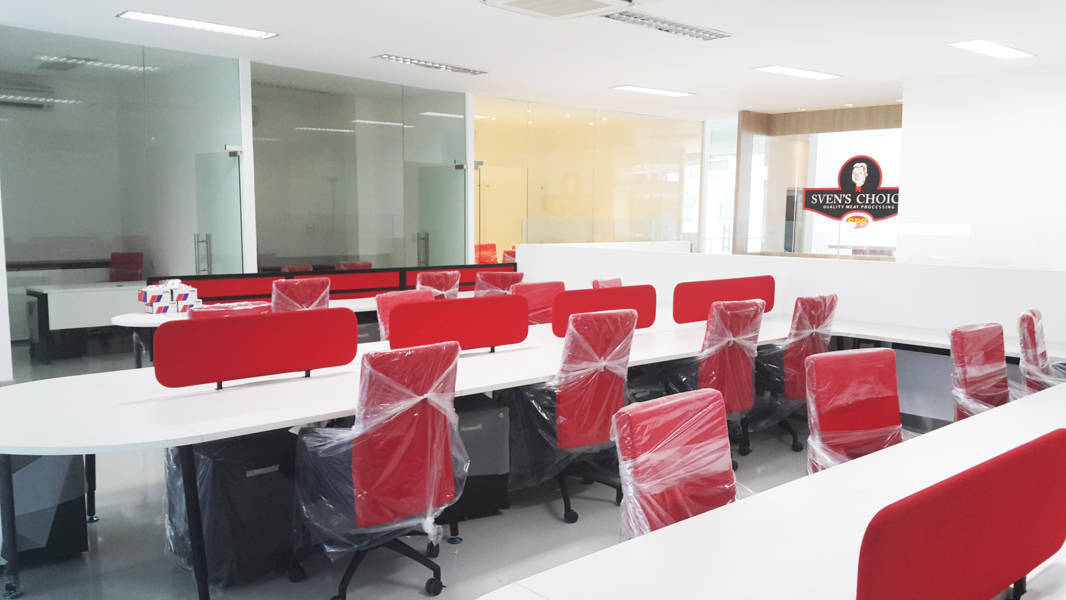

Modern offices are evolving rapidly. Companies are rethinking how employees collaborate, focus, and interact within the workplace. Yet many businesses still rely on generic furniture layouts that fail to support productivity, comfort, or efficient use of space. When desks are poorly positioned, storage is insufficient, and meeting areas feel cramped, the entire work environment suffers.
This is where office furniture custom solutions become essential. Instead of adapting your workflow to standard furniture, customized office furniture allows businesses to design workspaces that reflect their operational needs, team structure, and brand identity. By carefully planning layouts, materials, and functionality, organizations can create environments that improve efficiency while maintaining a professional and comfortable atmosphere.
In this article, we will explore how office furniture custom design provides smart solutions for modern workspaces, helping businesses create flexible, functional, and future-ready offices.
Understanding the Role of Office Furniture Custom in Modern Workspaces
The modern workplace is no longer a rigid environment defined by rows of identical desks and fixed cubicles. Hybrid work models, collaborative teams, and technology-driven workflows require spaces that are adaptable and thoughtfully designed. This is where office furniture custom solutions play a crucial role.
Custom office furniture focuses on tailoring each element of the workspace to match the specific needs of a company. Rather than selecting pre-made furniture with fixed dimensions, businesses can determine desk sizes, storage systems, meeting tables, and workstation layouts that align with their daily operations. This approach ensures that every square meter of the office contributes to productivity and comfort.
For example, open-plan offices benefit from custom workstations that balance collaboration with personal workspace boundaries. Designers may integrate acoustic panels, modular desks, or shared storage to reduce distractions while maintaining communication among team members. Meanwhile, private offices and executive rooms can incorporate built-in shelving, ergonomic desks, and integrated cable management to create an organized and professional environment.
Another important factor is brand identity. Custom office furniture allows companies to incorporate specific materials, colors, and design elements that reflect their corporate culture. A technology startup might prefer minimalist desks and flexible collaboration zones, while a consulting firm may prioritize elegant meeting tables and refined cabinetry.
Ultimately, office furniture custom solutions transform furniture from a simple utility into a strategic design tool. By aligning furniture design with workflow, organizational structure, and company identity, businesses can create workspaces that support both efficiency and employee well-being.
Office Furniture Custom for Efficient Workspace Layouts
One of the most significant advantages of office furniture custom design is the ability to create layouts that maximize space efficiency. Many offices struggle with inefficient floor plans where workstations feel crowded while other areas remain underutilized. Custom furniture helps solve this problem by tailoring each piece to the available space.
In modern offices, efficient layouts often prioritize flexibility. Modular desks, adaptable meeting tables, and movable partitions allow spaces to evolve as teams grow or project needs change. Instead of redesigning the entire office whenever staffing levels shift, custom furniture systems can be adjusted or expanded with minimal disruption.
Storage is another critical element in workspace efficiency. Traditional office furniture frequently provides either too much or too little storage, leading to cluttered desks or unused cabinets. With office furniture custom, storage solutions can be integrated directly into workstations, walls, or under-desk compartments. This ensures employees have easy access to documents and equipment while keeping the workspace tidy.
Custom layouts also help define different functional zones within the office. For example, collaborative areas may include shared tables and comfortable seating for brainstorming sessions. Focus zones might use compact desks with acoustic features to minimize distractions. Meanwhile, lounge areas can incorporate softer seating to encourage informal discussions or short breaks.
Technology integration is equally important. Modern workplaces rely heavily on laptops, monitors, charging stations, and communication devices. Custom office furniture can incorporate built-in cable management systems, power outlets, and equipment mounts that keep wires hidden while maintaining accessibility.
By optimizing layouts through office furniture custom, businesses can create environments that are both visually organized and operationally efficient. Employees benefit from a workspace that supports their tasks without unnecessary obstacles or clutter.
Designing Ergonomic and Comfortable Workstations
Employee comfort has become a central concern in workplace design. Long hours at poorly designed desks can lead to fatigue, reduced concentration, and even physical strain. Office furniture custom solutions provide an opportunity to design workstations that prioritize ergonomics and long-term comfort.
Ergonomic office design focuses on aligning furniture with natural body movements and posture. Custom desks can be built with adjustable heights, allowing employees to alternate between sitting and standing positions throughout the day. This flexibility helps reduce fatigue and promotes healthier working habits.
Chair compatibility is another important consideration. Custom desk heights, keyboard placements, and monitor positions can be tailored to ensure proper alignment with ergonomic seating. When workstations are designed as a cohesive system, employees experience fewer posture-related issues and greater comfort during extended tasks.
Workspace dimensions also play a role in comfort. Standard desks may feel too small for employees who rely on multiple monitors or specialized equipment. Conversely, overly large desks can waste space and make movement difficult. With office furniture custom, companies can design desks that match the actual tools and tasks of their workforce.
Lighting and visual comfort are equally important. Custom workstation layouts can consider natural light sources, desk positioning, and monitor placement to reduce glare and eye strain. Integrated task lighting may also be added to ensure consistent illumination without overwhelming the workspace.
Comfortable workstations contribute to more than just physical well-being. Employees who feel supported by their environment often experience improved concentration and greater satisfaction with their workspace. Over time, these factors can influence productivity, collaboration, and overall workplace morale.
Through thoughtful office furniture custom design, companies can build offices that support both efficiency and employee health.
Flexible Office Furniture Custom for Hybrid and Collaborative Work
The rise of hybrid work models has transformed the way offices operate. Employees may divide their time between remote work and on-site collaboration, meaning office spaces must accommodate varying levels of occupancy and different types of activities. Office furniture custom solutions provide the flexibility needed to support these changing work patterns.
In hybrid environments, adaptability becomes a key design principle. Custom modular desks allow teams to reconfigure workstations depending on project requirements. For example, individual desks can be combined into larger tables for collaborative sessions, then separated again for focused tasks.
Shared workspaces are also becoming more common. Instead of assigning fixed desks to every employee, companies may implement hot-desking or shared workstation systems. Custom furniture can support this approach by incorporating secure storage lockers, adaptable desk sizes, and integrated technology ports that allow employees to connect devices quickly.
Meeting areas are another critical component of hybrid workspaces. Custom conference tables can include built-in video conferencing equipment, cable management systems, and power outlets to support both in-person and remote participants. This ensures smooth communication between distributed teams.
Informal collaboration spaces are equally important. Lounge seating, café-style tables, and open discussion zones encourage spontaneous conversations and creative exchanges. When designed through office furniture custom, these areas can blend seamlessly with the overall office layout while maintaining visual consistency.
As organizations continue to adapt to new work models, flexibility in workspace design will remain essential. Custom office furniture provides the ability to adjust layouts, support collaboration, and integrate technology without compromising comfort or aesthetics.
The Long-Term Value of Office Furniture Custom
While standard furniture may appear convenient initially, it often fails to meet the long-term needs of growing organizations. Businesses evolve, teams expand, and work processes change. Office furniture custom solutions offer long-term value by allowing workplaces to adapt over time.
Durability is one key advantage. Custom furniture is typically designed with specific usage patterns in mind, ensuring materials and structures can handle daily demands. High-quality construction reduces the need for frequent replacements, contributing to cost efficiency over the lifespan of the furniture.
Scalability is another important factor. Custom workstation systems can often be expanded or reconfigured as teams grow. Instead of replacing entire furniture sets, businesses can add matching components that integrate seamlessly with existing layouts.
Brand consistency also plays a role in long-term value. Office environments often reflect a company’s identity and professionalism. Custom furniture allows organizations to maintain consistent design elements throughout the workspace, creating a cohesive atmosphere that supports both employees and visiting clients.
Sustainability is increasingly relevant as well. By designing furniture that fits the exact needs of a space, companies can minimize unnecessary materials and reduce waste. Durable construction also means fewer replacements, supporting environmentally responsible practices.
For businesses seeking a workspace tailored to their operational goals, office furniture custom offers a strategic solution. Companies exploring design possibilities can learn more about workspace solutions through Workit Furniture, where customized furniture concepts support modern office environments.
Creating Future-Ready Workspaces with Office Furniture Custom
As workplace expectations continue to evolve, the design of office environments must keep pace. Flexibility, comfort, efficiency, and collaboration are now essential elements of successful workspaces. Standard furniture solutions often struggle to meet these complex demands.
This is why office furniture custom has become an increasingly valuable approach for organizations planning modern offices. By tailoring furniture design to the specific needs of employees and workflows, companies can create environments that support productivity while maintaining a professional and comfortable atmosphere.
From efficient layouts and ergonomic workstations to hybrid-ready collaboration spaces, customized office furniture allows businesses to design offices that truly reflect how their teams work. The result is a workspace that feels organized, adaptable, and aligned with long-term organizational goals.
For companies planning to upgrade or design their workplace, exploring office furniture custom solutions can be a practical first step toward building a smarter and more functional office environment.