

Choosing a reliable furniture factory Bali is one of the most important decisions for property owners, interior designers, hospitality developers, and businesses planning interior projects on the island. Bali has earned a strong reputation as a center for furniture craftsmanship, combining traditional woodworking expertise with modern interior design solutions. However, not all furniture factories operate with the same production standards or quality control practices.
Many buyers are attracted to Bali because of its rich artisan culture and the ability to create custom furniture tailored to unique design concepts. Yet, without understanding how a professional furniture factory Bali operates, buyers may encounter challenges such as inconsistent finishing, delays in production timelines, or furniture that does not match the approved specifications.
Furniture production involves far more than shaping wood or assembling components. It requires structured manufacturing processes, skilled craftsmanship, and strict quality standards to ensure every piece meets functional and aesthetic expectations. From material selection to final finishing, each stage plays a critical role in the durability and visual appeal of the finished furniture.
This article explains the typical production process and quality standards used by a professional furniture factory Bali. Understanding these stages will help buyers evaluate manufacturers more confidently and ensure that their interior projects receive furniture that meets long-term performance expectations.
Understanding How a Furniture Factory Bali Operates
A professional furniture factory Bali functions as a structured production environment where design ideas are transformed into finished furniture through coordinated processes. While Bali is widely known for artisan craftsmanship, modern furniture factories combine traditional woodworking skills with organized production systems that support both residential and commercial projects.
Most furniture factories begin by reviewing the client’s design concept. This may include architectural drawings, interior layouts, or reference designs provided by designers or developers. The factory’s technical team then translates these ideas into detailed production specifications that define dimensions, materials, and finishing requirements. These documents serve as the foundation for the entire manufacturing process.
Unlike retail furniture shops, a factory environment focuses on custom production and batch manufacturing. This means furniture pieces are often built according to project-specific requirements rather than standardized templates. For example, villas, hotels, restaurants, and offices frequently require furniture tailored to unique layouts or interior styles.
Another key characteristic of a reliable furniture factory Bali is its integration of different production departments. Woodworking, metal fabrication, upholstery, and finishing teams often work together to produce complete furniture pieces. Each department contributes specialized expertise to ensure the furniture meets both structural and aesthetic standards.
Factories that maintain organized workflows are better equipped to manage large orders and maintain consistency across multiple furniture units. This structured approach ensures that furniture pieces produced for hospitality or commercial spaces maintain uniform design, color, and construction quality.
For buyers evaluating manufacturers, understanding how a furniture factory Bali operates provides valuable insight into whether the company has the capability to handle complex interior projects effectively.
The Step-by-Step Production Process in a Furniture Factory Bali
The production workflow inside a furniture factory Bali typically follows several structured stages designed to ensure efficiency and consistent results. Each stage plays an essential role in transforming raw materials into finished furniture pieces.
Design Confirmation and Technical Planning
The process begins with design verification. During this stage, manufacturers review the client’s concept and translate it into technical drawings that specify dimensions, materials, hardware, and finishing details. Accurate planning helps avoid misunderstandings later in production.
Technical planning also involves evaluating structural requirements. For example, furniture intended for hospitality environments may require reinforced frames or specific joinery methods to withstand frequent use.
Material Selection and Preparation
Material quality significantly influences the durability and appearance of furniture. A professional furniture factory Bali carefully selects materials that meet both aesthetic and functional requirements.
Solid wood is often used for structural components because of its strength and natural beauty. Teak, mahogany, and other hardwood species are commonly chosen due to their durability and stability. For built-in furniture such as cabinets and wardrobes, engineered wood materials like plywood or MDF may also be used to provide smooth surfaces and dimensional stability.
Before production begins, materials are inspected and prepared. Wood components may undergo drying or conditioning to reduce moisture levels, helping prevent warping or cracking in Bali’s humid climate.
Furniture Construction and Assembly
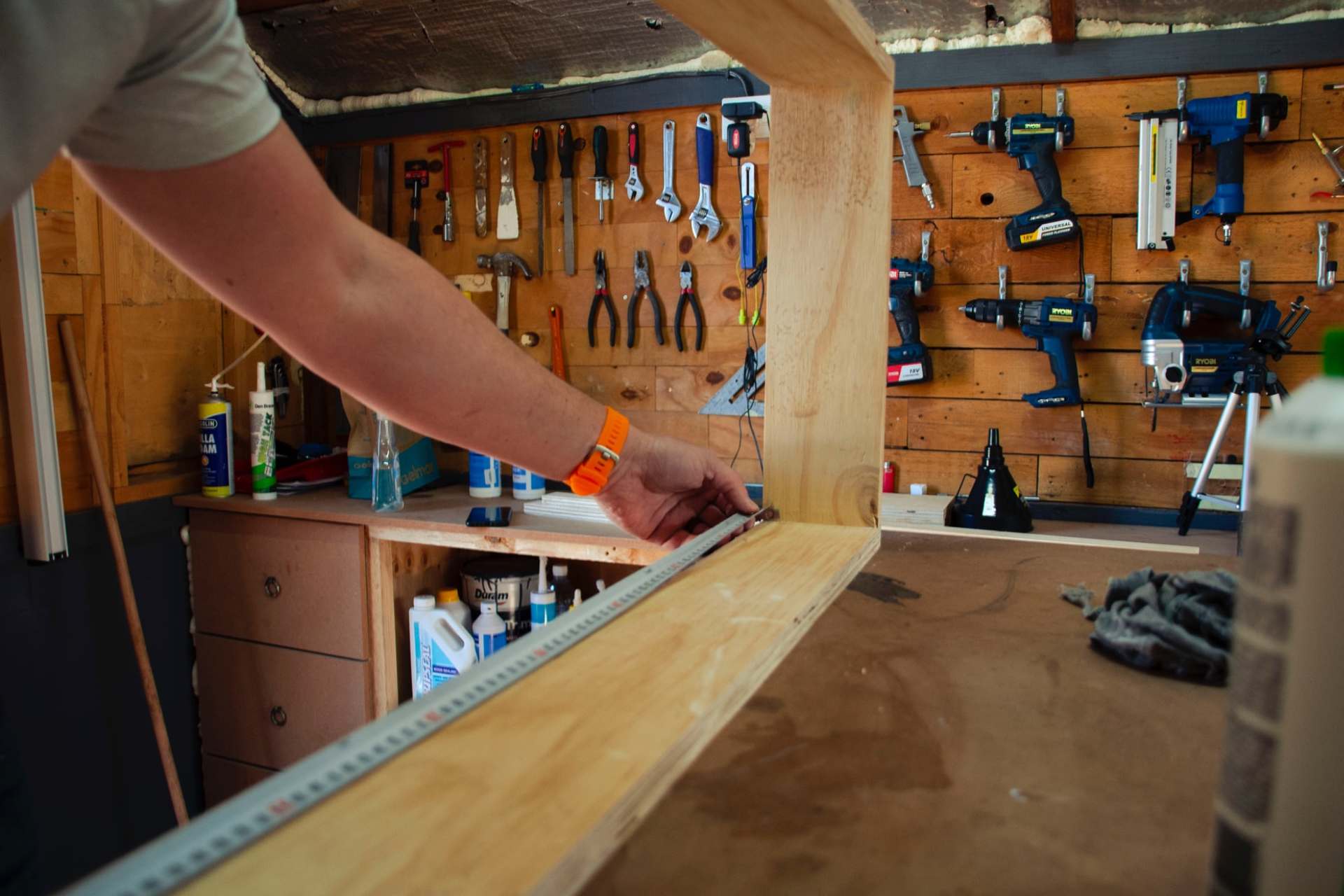
Once materials are prepared, skilled craftsmen begin constructing the furniture components. This stage involves cutting, shaping, and assembling structural elements according to the approved technical drawings.
Professional factories use reliable joinery techniques that strengthen the furniture frame. These methods may include dowel joints, mortise-and-tenon connections, or reinforced brackets that enhance stability.
Precision during construction is critical because even small inaccuracies can affect the final fit and alignment of furniture components.
Surface Finishing and Final Preparation
The finishing stage is one of the most visually impactful steps in the production process. Finishing protects the furniture surface while enhancing its natural beauty or design style.
A professional furniture factory Bali typically applies multiple finishing layers, which may include staining, sealing, and protective coatings. These layers help protect the furniture from moisture, scratches, and daily wear.
The finishing process also determines the final color tone and texture of the furniture. Careful finishing ensures that multiple furniture pieces within the same project maintain consistent color and appearance.
Through these coordinated steps, a furniture factory Bali transforms raw materials into furniture that meets both design expectations and structural requirements.
Quality Standards Used by a Professional Furniture Factory Bali
Quality control is one of the most important factors that separates reliable manufacturers from less experienced workshops. A professional furniture factory Bali implements quality standards throughout the entire production process rather than only inspecting the final product.
One of the first quality checkpoints occurs during material inspection. Wood, hardware, and finishing materials must meet specific criteria before entering production. Rejecting unsuitable materials at this stage helps prevent structural issues later.
Another important quality standard involves precision in furniture construction. Accurate measurements and consistent assembly techniques ensure that furniture components fit together properly. Even small variations in dimensions can create alignment problems or reduce structural stability.
Factories also evaluate surface finishing quality. A properly finished surface should appear smooth, even, and free from imperfections such as uneven coloration or visible brush marks. Consistent finishing ensures that furniture pieces match each other visually, which is especially important for large hospitality projects.
Durability is another key consideration. Furniture designed for commercial or hospitality environments must withstand regular use while maintaining its structural integrity. Quality factories perform functional checks on moving components such as drawers, cabinet doors, and hinges to confirm they operate smoothly.
Finally, reputable manufacturers emphasize final inspection and packaging standards. Before furniture leaves the factory, it is carefully reviewed to ensure it meets the project’s design and construction specifications.
By maintaining consistent quality standards at every stage, a furniture factory Bali can produce furniture that meets both aesthetic expectations and long-term performance requirements.
Why Production Transparency Matters for Buyers
Transparency is a defining characteristic of a trustworthy furniture factory Bali. Buyers investing in custom furniture need confidence that their project is progressing according to plan and that quality standards are being maintained throughout production.
Transparent manufacturers typically provide clear documentation during the planning stage. This includes technical drawings, material specifications, and finishing descriptions that outline exactly how the furniture will be produced. These documents ensure both the client and the factory share the same expectations before manufacturing begins.
Communication is equally important. Reliable factories maintain open dialogue with clients throughout the production timeline. Updates about production progress allow clients to stay informed and address potential adjustments early in the process.
Transparency also helps buyers understand how their furniture is constructed. Many reputable manufacturers are willing to explain their production methods, material sourcing practices, and finishing techniques. This openness reflects confidence in their manufacturing process and commitment to delivering quality products.
Buyers seeking dependable custom furniture production may explore experienced manufacturers such as Workit Furniture, which focuses on tailored built-in furniture and interior solutions designed to support both residential and commercial spaces.
When factories maintain transparent production practices, clients can make more informed decisions and build long-term partnerships with manufacturers they trust.
Conclusion: Choosing a Furniture Factory Bali That Prioritizes Quality
Selecting the right furniture factory Bali is essential for ensuring the success of any interior project. Behind every well-crafted furniture piece is a structured production process that includes design planning, material preparation, precise construction, and careful finishing.
Understanding how factories operate allows buyers to evaluate manufacturers more effectively. Reliable factories maintain organized production systems, use durable materials, and apply strict quality control throughout every stage of manufacturing.
Equally important is transparency in communication and documentation. When buyers clearly understand the production process and quality standards used by their manufacturer, they can confidently move forward with custom furniture projects.
Bali remains one of the most dynamic furniture manufacturing centers in the region, offering a blend of craftsmanship and modern production capability. By partnering with a professional furniture factory Bali, clients can ensure their design ideas are transformed into furniture pieces that support both functionality and long-term interior value.